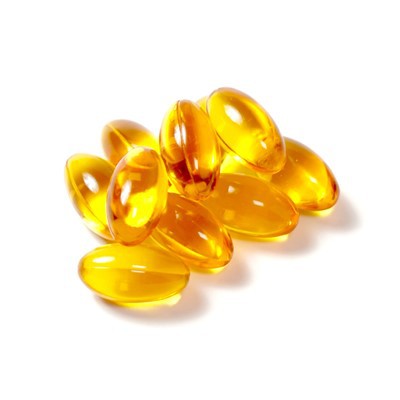
Fish collagen tablets have gained significant popularity in recent years due to their numerous health benefits, including skin health improvement, joint support, and hair and nail strengthening. However, a common question among consumers is whether these tablets are suitable for people with seafood allergies. As a supplier of Fish Collagen Tablets, it's essential to provide accurate and detailed information to help potential customers make informed decisions.
Understanding Seafood Allergies
Seafood allergies are among the most common food allergies, affecting a significant portion of the population. Allergic reactions to seafood typically occur when the immune system mistakenly identifies certain proteins in seafood as harmful invaders and produces antibodies to fight them. The most common types of seafood allergies are to shellfish (such as shrimp, crab, and lobster) and fish.
Fish allergies are often caused by specific proteins found in fish, such as parvalbumin. When a person with a fish allergy consumes fish or fish products, their immune system releases chemicals like histamine, which can trigger a range of symptoms. These symptoms can vary from mild, such as hives, itching, and swelling, to severe, including difficulty breathing, abdominal pain, and anaphylaxis, a life - threatening allergic reaction.
How Fish Collagen Tablets Are Made
Fish collagen is typically extracted from the skin, scales, and bones of fish. The extraction process involves several steps, including cleaning, demineralization, and hydrolysis. During hydrolysis, the large collagen molecules are broken down into smaller peptides, which are more easily absorbed by the body.
Most high - quality fish collagen tablets are made using advanced purification techniques to remove impurities and potential allergens. These purification methods aim to isolate the collagen peptides while minimizing the presence of other fish proteins that could cause allergic reactions. However, the effectiveness of these purification processes can vary depending on the manufacturing standards and the specific techniques used by different suppliers.
Factors Affecting the Suitability for Seafood - Allergic Individuals
- Source of Fish: The type of fish used in the production of collagen tablets can play a crucial role. Some fish species may have a higher allergenic potential than others. For example, certain common fish like salmon, tuna, and cod are more likely to cause allergic reactions compared to less - common species. If the fish collagen is sourced from a less - allergenic fish species and undergoes rigorous purification, it may be less likely to trigger an allergic reaction.
- Purification Process: As mentioned earlier, the purification process is vital. A well - designed purification process can significantly reduce the levels of allergenic proteins in the fish collagen tablets. Some manufacturers use multi - step purification methods, including filtration, chromatography, and enzymatic treatment, to ensure the removal of potential allergens. However, it's important to note that no purification process can guarantee 100% removal of all allergenic substances.
- Cross - Reactivity: Cross - reactivity is another important factor to consider. Cross - reactivity occurs when the immune system reacts to similar proteins in different sources. For example, a person allergic to one type of fish may also be allergic to other fish species due to the presence of similar allergenic proteins. Additionally, there may be some cross - reactivity between fish and other seafood, such as shellfish, although this is less common.
Case Studies and Research Findings
There is limited research specifically focused on the safety of fish collagen tablets for people with seafood allergies. However, some case reports and small - scale studies have provided some insights.
In a few case reports, individuals with fish allergies were able to tolerate fish collagen supplements without experiencing allergic reactions. These cases suggest that in some instances, the purification process may be effective in removing the allergenic components. On the other hand, there have also been reports of allergic reactions in seafood - allergic individuals after consuming fish collagen products. These reactions highlight the need for caution and further research.
A small - scale study conducted on a group of fish - allergic patients found that a significant proportion of them did not show an allergic response when exposed to highly purified fish collagen. However, the sample size was relatively small, and more extensive research is needed to draw definitive conclusions.
Precautions for Seafood - Allergic Individuals
If you have a seafood allergy and are considering taking fish collagen tablets, it's crucial to take the following precautions:
- Consult a Healthcare Professional: Before starting any new supplement, it's essential to consult with an allergist or a healthcare provider. They can evaluate your specific allergy profile, consider your medical history, and provide personalized advice on whether fish collagen tablets are safe for you.
- Read Product Labels Carefully: Look for detailed information on the product label regarding the source of the fish collagen, the purification process, and any allergen warnings. Reputable manufacturers will provide clear and accurate information about their products.
- Start with a Small Dose: If your healthcare provider gives the go - ahead, start with a very small dose of the fish collagen tablets. Monitor your body closely for any signs of an allergic reaction, such as itching, swelling, or difficulty breathing. If you experience any adverse symptoms, stop taking the tablets immediately and seek medical attention.
Other Considerations for Collagen Supplementation
For individuals with severe seafood allergies who are hesitant to try fish collagen tablets, there are alternative sources of collagen.
- Bovine Collagen: Bovine collagen is derived from cows and is a popular alternative to fish collagen. It has similar health benefits and is generally considered safe for people with seafood allergies. However, it may not be suitable for individuals with beef allergies.
- Porcine Collagen: Porcine collagen is sourced from pigs. Like bovine collagen, it can be a good option for those allergic to seafood. But again, it's not suitable for people with pork allergies.
- Plant - Based Collagen Boosters: There are also plant - based supplements that can help boost collagen production in the body. These supplements typically contain ingredients like vitamin C, amino acids, and antioxidants, which are essential for the body's natural collagen synthesis. For example, Amino Acid Coated Tablets can provide the necessary building blocks for collagen production. Additionally, B COMPLEX & VIT B12 can support overall skin and joint health, which are areas often targeted by collagen supplementation.
Our Commitment as a Supplier
As a supplier of Fish Collagen Tablets, we are committed to providing high - quality products that meet the highest safety and quality standards. We source our fish from sustainable and well - managed fisheries, and our manufacturing process adheres to strict quality control measures. Our purification process is designed to minimize the presence of potential allergens, but we always recommend that consumers with seafood allergies consult their healthcare providers before using our products.


If you are interested in learning more about our fish collagen tablets or other products in our range, we encourage you to reach out to us for further information. We are more than happy to discuss our products in detail, answer any questions you may have, and provide samples for testing. Whether you are a retailer looking to stock our products or a consumer interested in trying them, we are ready to engage in a meaningful conversation about your needs.
Conclusion
The question of whether fish collagen tablets are suitable for people with seafood allergies is complex and depends on several factors, including the source of the fish, the purification process, and individual differences in allergic sensitivities. While there is a possibility that some seafood - allergic individuals may be able to tolerate fish collagen tablets, it's crucial to approach this with caution.
Consulting a healthcare professional, carefully reading product labels, and starting with a small dose are essential steps for anyone with a seafood allergy considering fish collagen supplementation. Additionally, there are alternative sources of collagen available for those who are not comfortable trying fish collagen.
We invite you to contact us to discuss your specific requirements and explore the potential of our high - quality fish collagen tablets. We look forward to working with you and helping you make the best decision for your health and business needs.
References
- Sicherer, S. H., & Sampson, H. A. (2014). Food allergy: Epidemiology, pathogenesis, diagnosis, and treatment. Journal of Allergy and Clinical Immunology, 133(2), 291 - 307.
- Boyce, J. A., Assa'ad, A., Burks, A. W., Jones, S. M., Sampson, H. A., Wood, R. A., ... & Fuchs, T. (2010). Guidelines for the diagnosis and management of food allergy in the United States: Summary of the NIAID - sponsored expert panel report. Journal of Allergy and Clinical Immunology, 126(6), 1105 - 1118.
- He, X., & Chen, J. (2019). Fish collagen: A review on sources, extraction methods, and applications. Food Hydrocolloids, 92, 334 - 349.