In the modern era, environmental concerns have become a central focus across various industries, and the packaging sector is no exception. As a soft capsule supplier, I've witnessed firsthand the growing interest in the environmental impact of different packaging forms. In this blog, we'll explore whether soft capsules are more environmentally friendly than some other packaging forms.
The Basics of Soft Capsules
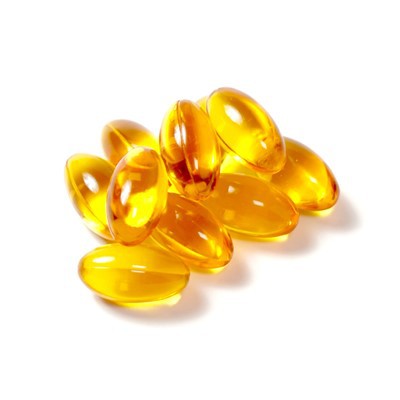
Soft capsules are a popular form of packaging for various products, especially in the pharmaceutical and nutraceutical industries. They are typically made from gelatin or vegetarian alternatives like HPMC (hydroxypropyl methylcellulose). The capsule shell encases a liquid or semi - solid fill, providing a convenient and effective way to deliver substances.
Our company offers a range of high - quality soft capsules, such as Krill Oil Soft Capsules, Evening Primrose Oil Softgel Capsules Dietary Supplement, and Multivitamin E Soft Capsules. These products not only ensure the stability and bioavailability of the active ingredients but also raise questions about their environmental footprint.
Environmental Advantages of Soft Capsules
Material Efficiency
One of the significant environmental benefits of soft capsules is their material efficiency. Unlike some packaging forms that require large amounts of materials to enclose a product, soft capsules use a minimal amount of shell material relative to the volume of the fill. For example, a plastic bottle used to package a liquid supplement may have a large surface area of plastic, while a soft capsule precisely encapsulates the required dose with a thin layer of shell material. This reduction in material usage means less raw material extraction and less waste generation.
Shelf - Life and Preservation
Soft capsules can provide excellent protection for the enclosed substances. The airtight and light - resistant nature of the capsule shell helps to extend the shelf - life of the product. This is crucial from an environmental perspective because longer shelf - lives reduce the likelihood of product spoilage and waste. When products last longer, there is less need for frequent production runs, which in turn conserves energy and raw materials associated with manufacturing.
Biodegradability
Many soft capsules, especially those made from natural gelatin, are biodegradable. Gelatin is derived from animal collagen, and under the right environmental conditions, it can break down relatively quickly. Vegetarian alternatives like HPMC are also known for their biodegradability. In contrast, some packaging materials such as certain plastics can take hundreds of years to decompose, contributing to long - term environmental pollution.
Comparing with Other Packaging Forms
Plastic Bottles
Plastic bottles are a common packaging form for liquid supplements and medications. While they are lightweight and convenient, they pose several environmental challenges. Plastic is typically made from non - renewable fossil fuels, and the production process consumes a significant amount of energy. Moreover, plastic bottles often end up in landfills or the ocean, where they can take centuries to break down. In comparison, soft capsules use less material and are more likely to biodegrade, making them a more environmentally friendly option.
Blister Packs
Blister packs are widely used in the pharmaceutical industry. They consist of a plastic or aluminum blister that holds individual tablets or capsules. Although blister packs provide good protection and dosage control, they generate a relatively large amount of packaging waste. The combination of plastic and aluminum can be difficult to recycle, and the overall material usage is often higher than that of soft capsules. Soft capsules, with their more compact and efficient design, can reduce the amount of packaging waste associated with product distribution.
Challenges and Limitations
Recycling Complexity
While soft capsules have many environmental advantages, they also face some challenges. Recycling soft capsules can be complex because they are a combination of different materials (the shell and the fill). Separating these components for recycling can be technically difficult and costly. However, ongoing research is being conducted to develop more efficient recycling methods for soft capsules.
Consumer Perception
Consumer perception can also be a hurdle. Some consumers may be more familiar with traditional packaging forms like plastic bottles and may be hesitant to switch to soft capsules. Educating consumers about the environmental benefits of soft capsules is essential to overcome this perception barrier.
The Role of the Supplier
As a soft capsule supplier, we have a responsibility to promote sustainable practices. We are committed to using high - quality, environmentally friendly materials in our capsule production. For example, we source gelatin from sustainable and ethical suppliers and are constantly exploring new vegetarian alternatives to meet the growing demand for more eco - friendly options.
We also invest in research and development to improve the recyclability of our soft capsules. By collaborating with recycling facilities and research institutions, we aim to find innovative solutions to the recycling challenges associated with soft capsules.


Conclusion
In conclusion, soft capsules offer several environmental advantages over some other packaging forms. Their material efficiency, shelf - life extension, and biodegradability make them a more sustainable choice. However, challenges such as recycling complexity and consumer perception need to be addressed.
As a soft capsule supplier, we are dedicated to promoting the environmental benefits of our products and working towards more sustainable manufacturing and recycling processes. If you are interested in our Krill Oil Soft Capsules, Evening Primrose Oil Softgel Capsules Dietary Supplement, Multivitamin E Soft Capsules, or other soft capsule products, we invite you to contact us for procurement and further discussions. Let's work together to make more environmentally friendly choices in the packaging industry.
References
- Packaging Digest. "Sustainable Packaging Trends in the Pharmaceutical Industry."
- Journal of Environmental Science and Technology. "Biodegradability of Common Packaging Materials."
- Food and Drug Administration. "Guidelines for Packaging and Labeling of Dietary Supplements."