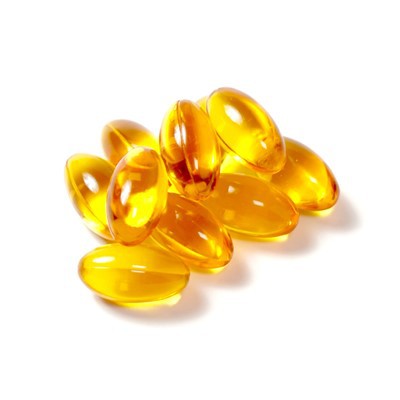
Soft capsules are a popular dosage form in the pharmaceutical, nutraceutical, and cosmetic industries due to their ability to encapsulate a wide range of substances, including oils, suspensions, and semisolids. Ensuring the compatibility of the shell and the contents is crucial for the quality, stability, and efficacy of soft capsules. As a soft capsule supplier, I have extensive experience in dealing with the challenges and solutions related to this issue. In this blog, I will share some insights on how we ensure the compatibility of the shell and the contents in our soft capsules.
Understanding the Composition of Soft Capsule Shells and Contents
Before delving into the compatibility issues, it is essential to understand the basic composition of soft capsule shells and contents. The shell of a soft capsule is typically made of gelatin, which is a protein derived from animal collagen. Gelatin provides the capsule with its flexibility, elasticity, and the ability to seal the contents. Other components in the shell may include plasticizers (such as glycerin or sorbitol) to improve flexibility, water, and sometimes colorants or opacifiers.
The contents of soft capsules can vary widely. They can be oils, such as Oil Of Oregano Softgels 6000mg, 2 in 1 Formulated With Black Seed Oil 200mg, Immune Support, Oregano Oil Capsules Organic, Natural Defense Supplement, Non - GMO, Easy To Swallow, 240 Softgels, Omega Fish Oil, or other lipophilic substances. They can also be aqueous solutions, suspensions, or semisolids. In the case of nutraceuticals, the contents often contain active ingredients that need to be protected from degradation and delivered to the body in an effective manner.
Factors Affecting Compatibility
Chemical Reactions
One of the primary concerns is the potential for chemical reactions between the shell and the contents. For example, some active ingredients in the contents may react with the gelatin in the shell. Acidic or alkaline substances can cause hydrolysis of the gelatin, leading to shell degradation. Oxidizing agents in the contents can also react with the gelatin, affecting its integrity.
Solubility
The solubility of the contents in the shell components or vice versa can be a problem. If the contents are soluble in the shell, they may leach out over time, leading to a loss of potency. On the other hand, if the shell is soluble in the contents, it can cause the capsule to rupture or lose its shape.
Moisture Migration
Moisture plays a crucial role in the stability of soft capsules. The shell contains a certain amount of water, which is necessary for its flexibility. If the contents have a different moisture activity than the shell, moisture may migrate between them. For example, if the contents are very hygroscopic, they may draw water from the shell, causing it to become brittle and crack. Conversely, if the shell loses too much water to the environment or the contents, it can lead to shrinkage and loss of seal integrity.
Physical Interaction
The physical properties of the contents, such as viscosity and density, can also affect the compatibility with the shell. Highly viscous contents may cause problems during the encapsulation process, such as uneven filling or difficulty in sealing the capsule. Additionally, differences in density between the shell and the contents can lead to sedimentation or separation of the contents over time.
Strategies to Ensure Compatibility
Material Selection
As a soft capsule supplier, we pay close attention to the selection of materials for both the shell and the contents. For the shell, we choose high - quality gelatin with the appropriate bloom strength and viscosity. We also carefully select plasticizers and other additives to ensure the shell's stability and flexibility.
When it comes to the contents, we work closely with our customers to understand the nature of the active ingredients. We conduct compatibility studies to determine if any chemical reactions are likely to occur between the contents and the shell. If necessary, we may recommend alternative excipients or formulations to minimize the risk of incompatibility.
Formulation Optimization
Formulation optimization is a key strategy in ensuring compatibility. For example, if the contents are acidic, we may adjust the pH of the formulation to a more neutral range to prevent gelatin hydrolysis. We can also add antioxidants to the contents to prevent oxidation reactions with the shell.
In the case of moisture - sensitive contents, we may use moisture - barrier coatings on the capsules or adjust the moisture content of the shell to match that of the contents. This helps to minimize moisture migration and maintain the stability of the capsule.
Process Control
The encapsulation process itself can have a significant impact on the compatibility of the shell and the contents. We use advanced encapsulation equipment and techniques to ensure accurate filling and sealing of the capsules. During the encapsulation process, we control factors such as temperature, humidity, and pressure to prevent any adverse effects on the shell or the contents.
For example, maintaining the right temperature is crucial. If the temperature is too high, it can cause the gelatin in the shell to melt or degrade. If it is too low, the contents may become too viscous, making it difficult to fill the capsules evenly.
Quality Assurance and Testing
We have a comprehensive quality assurance program in place to ensure the compatibility of the shell and the contents. This includes in - process testing during the encapsulation process and final product testing before release.
We conduct various tests, such as visual inspection, dissolution testing, and stability testing. Visual inspection allows us to detect any obvious signs of shell degradation, such as cracks or leaks. Dissolution testing helps us to determine if the capsule releases the contents in a timely and consistent manner. Stability testing, which involves storing the capsules under different conditions (such as different temperatures and humidity levels) for an extended period, helps us to predict the long - term compatibility of the shell and the contents.
Case Studies
Let's take a look at some real - world examples of how we have ensured the compatibility of the shell and the contents in our soft capsules.
Oil - Filled Capsules
In the case of Oil Of Oregano Softgels 6000mg, 2 in 1 Formulated With Black Seed Oil 200mg, the oil - based contents need to be protected from oxidation and leakage. We selected a high - quality gelatin with good barrier properties for the shell. We also added antioxidants to the oil to prevent oxidation reactions with the shell. During the encapsulation process, we carefully controlled the temperature and pressure to ensure a tight seal between the shell and the contents. Stability testing showed that the capsules maintained their integrity and the oil remained stable over an extended period.


Nutraceutical Capsules with Aqueous Solutions
For Nicotinamide Soft Capsules, which contain an aqueous solution of nicotinamide, we had to be careful about moisture migration and potential chemical reactions with the shell. We adjusted the moisture content of the shell to match that of the contents and added a stabilizer to the solution to prevent any reactions with the gelatin. Through rigorous testing, we were able to ensure that the capsules released the nicotinamide effectively and remained stable during storage.
Conclusion
Ensuring the compatibility of the shell and the contents in soft capsules is a complex but essential task. As a soft capsule supplier, we use a combination of material selection, formulation optimization, process control, and quality assurance to address the various factors that can affect compatibility. By doing so, we can provide our customers with high - quality soft capsules that meet their specific requirements.
If you are interested in our soft capsule products or have any questions about the compatibility of the shell and the contents, we invite you to contact us for further discussion and potential procurement. We are committed to working with you to develop the best soft capsule solutions for your needs.
References
- Pharmaceutical Dosage Forms: Parenteral Medications, Volume 1, 3rd Edition, by Kenneth L. Kreuzig
- Remington: The Science and Practice of Pharmacy, 22nd Edition, by Philip B. Troy
- Handbook of Encapsulation and Controlled Release, by David J. Burgess