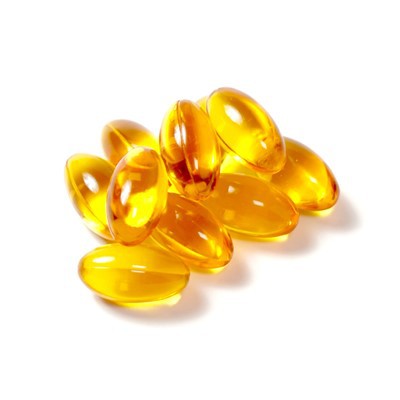
Soft capsules have long been a popular choice for delivering a wide range of substances, from vitamins and supplements to pharmaceuticals and nutraceuticals. One of the key challenges in formulating soft capsules is preventing the oxidation of the contents, as oxidation can lead to a loss of potency, changes in taste and odor, and even the formation of harmful by - products. As a soft capsule supplier, we have extensive experience in addressing this issue and ensuring the stability and quality of the encapsulated products.
The Oxidation Process and Its Impact on Soft Capsule Contents
Oxidation is a chemical reaction that involves the transfer of electrons from a substance to an oxidizing agent, typically oxygen. This reaction can cause a variety of changes in the physical and chemical properties of the substance. In the context of soft capsule contents, oxidation can affect the active ingredients, such as vitamins, enzymes, and unsaturated fatty acids.
For example, vitamin C is highly susceptible to oxidation. When exposed to oxygen, it can be converted into dehydroascorbic acid, which has reduced biological activity. Similarly, polyunsaturated fatty acids, often found in fish oil soft capsules, can undergo peroxidation, leading to the formation of rancid - smelling compounds and potentially harmful free radicals. These changes not only reduce the efficacy of the product but also make it less appealing to consumers.
Barrier Properties of Soft Capsule Shells
One of the primary ways soft capsules prevent oxidation of the contents is through the use of a protective shell. The shell of a soft capsule is typically made from a combination of gelatin, glycerin, and water, although other polymers can also be used. The choice of shell material is crucial as it forms a physical barrier that restricts the entry of oxygen into the capsule.
Gelatin, the most commonly used shell material, has excellent film - forming properties. It can create a tight and continuous layer around the encapsulated material, reducing the diffusion rate of oxygen. The addition of glycerin helps to maintain the flexibility and moisture content of the shell. A properly formulated gelatin - glycerin shell can effectively slow down the oxidation process by minimizing the amount of oxygen that can reach the contents.


Moreover, the manufacturing process of soft capsules plays a significant role in ensuring the integrity of the shell. The capsules are formed using a precise encapsulation technique, which results in a seamless and uniform shell. Any defects in the shell, such as thin spots or holes, can compromise its barrier function and promote oxidation. Our manufacturing facilities are equipped with state - of - the - art technology to produce high - quality soft capsules with a consistent and reliable shell structure.
Antioxidants in Soft Capsule Formulations
In addition to the physical barrier provided by the shell, antioxidants are often incorporated into the soft capsule formulation to further prevent oxidation. Antioxidants are substances that can inhibit or interfere with the oxidation process by scavenging free radicals or reducing the activity of oxidizing agents.
There are several types of antioxidants that can be used in soft capsule formulations. For instance, tocopherols (vitamin E) are natural antioxidants that are frequently added to products containing fat - soluble components. Vitamin E can donate a hydrogen atom to a free radical, thereby stabilizing it and preventing further oxidation reactions. In our Vitamin E Soft Capsules, we not only use vitamin E as an active ingredient but also take advantage of its antioxidant properties to protect other potentially oxidizable substances in the formulation.
Another commonly used antioxidant is ascorbyl palmitate, a fatty - acid ester of ascorbic acid. It is soluble in both water and fat, making it suitable for a wide range of soft capsule formulations. Ascorbyl palmitate can regenerate tocopherols after they have been oxidized, enhancing the overall antioxidant capacity of the system.
Modified Atmosphere Packaging
In some cases, soft capsules are packaged in a modified atmosphere to further reduce the exposure of the contents to oxygen. Modified atmosphere packaging (MAP) involves replacing the air inside the packaging with a gas mixture that is low in oxygen. Commonly used gases include nitrogen and carbon dioxide.
Nitrogen is an inert gas that does not participate in oxidation reactions. By flushing the packaging with nitrogen, the concentration of oxygen is significantly reduced, thereby slowing down the oxidation process. Carbon dioxide can also be used in combination with nitrogen, as it can dissolve in the water present in the capsule shell and the encapsulated material, creating an acidic environment that can inhibit the growth of microorganisms and some oxidative enzymes.
Our company offers soft capsules packaged in a modified atmosphere to ensure the maximum stability and shelf - life of the products. This additional measure of protection is particularly important for products that are highly susceptible to oxidation, such as Coenzyme Q10 Soft Capsule, which contains an easily oxidized coenzyme.
Storage and Handling Considerations
Even with the best preventive measures in place, proper storage and handling of soft capsules are essential to maintain the integrity of the contents and prevent oxidation. Soft capsules should be stored in a cool, dry place away from direct sunlight. High temperatures can accelerate the oxidation process by increasing the kinetic energy of the molecules and promoting chemical reactions.
Humidity can also have a negative impact on soft capsules. Excessive moisture can cause the capsule shell to swell and become more permeable to oxygen. Therefore, it is important to keep the capsules in a low - humidity environment. Additionally, proper handling during transportation and retail display is crucial. Capsules should be protected from physical damage, as any cracks or punctures in the shell can expose the contents to oxygen.
Case Study: Fair Skin Capsule
Our Fair Skin Capsule is a prime example of how we implement multiple strategies to prevent oxidation. The capsule contains a blend of vitamins, herbal extracts, and antioxidants that are designed to promote fair and healthy skin.
The shell of the Fair Skin Capsule is made from a high - quality gelatin formulation that provides an effective oxygen barrier. We have carefully optimized the ratio of gelatin to glycerin to ensure the shell is flexible yet resistant to oxygen diffusion.
Inside the capsule, we have added a combination of antioxidants, including vitamin C, vitamin E, and green tea extract. These antioxidants work synergistically to protect the other ingredients from oxidation. Vitamin C can directly reduce oxygen - derived free radicals, while vitamin E protects the lipid - soluble components in the formulation. Green tea extract contains catechins, which have potent antioxidant and anti - inflammatory properties.
Furthermore, the Fair Skin Capsules are packaged in a modified atmosphere with nitrogen to minimize the oxygen content in the packaging. We also provide clear storage instructions to our customers, advising them to keep the capsules in a cool, dry place. As a result, our Fair Skin Capsules maintain their potency and quality throughout their shelf - life, providing consumers with a reliable and effective product.
Conclusion
Preventing oxidation of the contents in soft capsules is a multifaceted challenge that requires a combination of strategies. From the selection of appropriate shell materials and the use of antioxidants to modified atmosphere packaging and proper storage and handling, every step in the process is crucial to maintaining the stability and quality of the encapsulated products.
As a leading soft capsule supplier, we are committed to delivering high - quality products that meet the strictest standards of safety and efficacy. Our expertise in oxidation prevention allows us to offer a wide range of soft capsules, including Vitamin E Soft Capsules, Fair Skin Capsule, and Coenzyme Q10 Soft Capsule, that are protected from oxidation and maintain their potency over time.
If you are interested in purchasing our soft capsules for your business or personal use, we invite you to contact us for further information and to discuss your specific requirements. Our dedicated team is ready to assist you in finding the best solutions for your needs.
References
- Ball, H. R., & Weishampel, P. P. (Eds.). (2008). The Pharmaceutical Scientist's Guide to Softgel Technology. Informa Healthcare.
- Shahidi, F., & Zhong, Y. (2010). Oxidation in Foods and Beverages and Antioxidant Applications. CRC Press.
- Ritschel, W. A., & Bauer - Bahnsen, R. (2008). Handbook of pharmaceutical controlled release technology. Informa Healthcare.