Is Blueberry Lutein Drink suitable for diabetics?
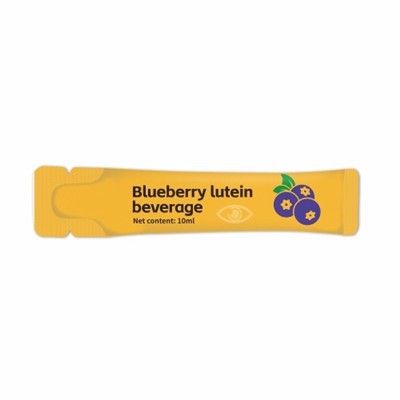
As a supplier of Blueberry Lutein Drink, I often receive inquiries from customers, especially those with diabetes, about the suitability of our product for their condition. In this blog, I'll delve into the details to help you understand whether our Blueberry Lutein Drink is a good choice for diabetics.
Understanding Diabetes and Dietary Considerations
Diabetes is a chronic condition characterized by elevated blood sugar levels. People with diabetes need to carefully manage their diet to control blood glucose. This typically involves monitoring carbohydrate intake, choosing foods with a low glycemic index (GI), and ensuring a balanced intake of nutrients.
Ingredients of Blueberry Lutein Drink
Our Blueberry Lutein Drink is formulated with several key ingredients, each with its own potential health benefits.
- Blueberries: Blueberries are rich in antioxidants, particularly anthocyanins. These antioxidants have been shown to have anti - inflammatory properties and may help improve insulin sensitivity. Some studies suggest that the bioactive compounds in blueberries can assist in reducing blood sugar levels and oxidative stress in people with diabetes.
- Lutein: Lutein is a carotenoid that is important for eye health. It has also been associated with potential benefits for cardiovascular health. While its direct impact on blood sugar control is not as well - studied as some other nutrients, a healthy cardiovascular system is crucial for people with diabetes, as they are at a higher risk of heart disease.
- Other ingredients: Our drink may also contain other natural ingredients such as vitamins and minerals. These are carefully selected to provide a well - rounded nutritional profile.
Glycemic Index and Sugar Content
One of the main concerns for diabetics is the glycemic index and sugar content of a beverage. Our Blueberry Lutein Drink is formulated to have a relatively low glycemic impact. We use natural sweeteners in moderation, and the overall carbohydrate content is carefully controlled.
The blueberries in the drink do contain natural sugars, but they also come with a high amount of fiber. Fiber can slow down the absorption of sugar into the bloodstream, which helps prevent rapid spikes in blood glucose levels. In addition, the combination of other ingredients in the drink may also contribute to a more stable blood sugar response.
Potential Health Benefits for Diabetics
- Eye health: Diabetes can cause various eye problems, including diabetic retinopathy. Lutein in our Blueberry Lutein Drink can help protect the eyes from oxidative damage and may reduce the risk of developing eye complications associated with diabetes.
- Antioxidant protection: The antioxidants in blueberries can help reduce oxidative stress in the body. Oxidative stress is increased in people with diabetes and is linked to the development of many diabetes - related complications, such as nerve damage and kidney disease.
- Cardiovascular support: As mentioned earlier, lutein and other nutrients in the drink may contribute to cardiovascular health. Since diabetics are at a higher risk of heart disease, any support for the cardiovascular system can be beneficial.
Clinical Evidence
Although there is no large - scale clinical trial specifically on our Blueberry Lutein Drink and its effects on diabetics, there is a growing body of research on the individual ingredients.
A number of studies have shown that blueberries can improve insulin sensitivity and reduce blood sugar levels in both animal and human studies. For example, a study published in the Journal of Nutrition found that daily consumption of blueberries led to improvements in insulin resistance in overweight and obese individuals.
Regarding lutein, research has focused mainly on its role in eye health. However, a healthy eye is an important part of overall well - being for diabetics, who are at a higher risk of vision problems.
Comparison with Other Special Diet Drinks
We also offer another product, the Papaya Protein Drink. While both drinks are suitable for special diets, they have different nutritional focuses.
The Papaya Protein Drink is rich in protein, which can be beneficial for diabetics as it can help with satiety and may have a positive impact on blood sugar control. On the other hand, our Blueberry Lutein Drink is more focused on antioxidant protection and eye health.
Precautions and Recommendations
While our Blueberry Lutein Drink can be a part of a diabetic diet, it's important to note that individual responses may vary. Diabetics should always consult with their healthcare provider before adding any new food or beverage to their diet.
It's also important to consume the drink as part of a balanced diet. Monitoring blood sugar levels after consuming the drink can help determine how it affects an individual's blood glucose.
Conclusion
In conclusion, our Blueberry Lutein Drink can be a suitable option for diabetics. It offers potential health benefits, including eye health support, antioxidant protection, and cardiovascular support. With its carefully controlled carbohydrate content and low glycemic impact, it can be incorporated into a diabetic diet with proper monitoring.


If you are a diabetic or know someone with diabetes who is interested in trying our Blueberry Lutein Drink, I encourage you to reach out to us for more information. We are always happy to discuss the product in detail and answer any questions you may have. Whether you are looking to improve your overall health or manage your diabetes, our Blueberry Lutein Drink may be a great addition to your diet. Contact us to start a procurement discussion and see how our product can fit into your health goals.
References
- Prior, R. L., Wu, X., & Gu, L. (2005). Absorption, metabolism, and transport of dietary flavonoids. The Journal of Nutrition, 135(11), 2779 - 2782.
- Basu, A., Rhone, M., & Lyons, T. J. (2010). Berries: emerging impact on cardiovascular health. Nutrition reviews, 68(3), 168 - 177.
- Age - Related Eye Disease Study Research Group. (2001). A randomized, placebo - controlled, clinical trial of high - dose supplementation with vitamins C and E, beta - carotene, and zinc for age - related macular degeneration and vision loss: AREDS report no. 8. Archives of ophthalmology, 119(10), 1417 - 1436.